وبلاگ
Dubai Re-Export Blueprint: How to Move Goods Globally with Zero Tax
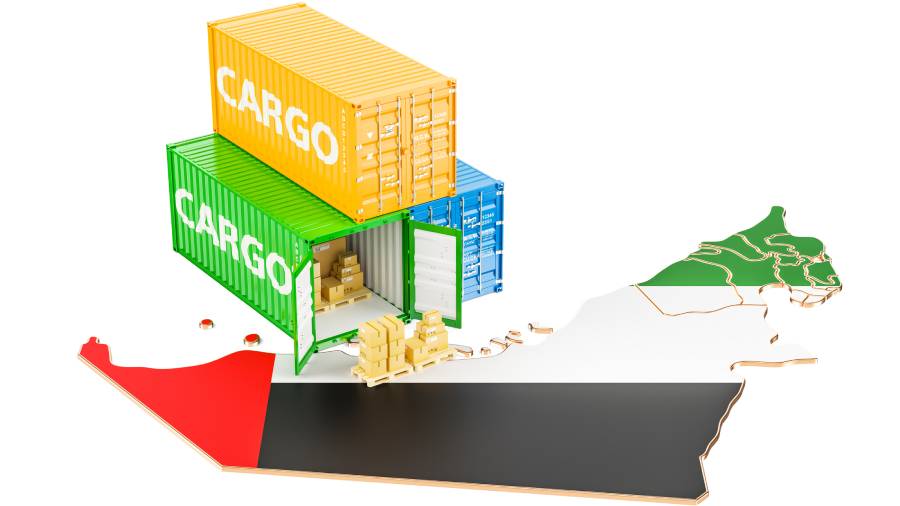
من دهههاست که در تجارت هستم و شرکتهایی را تأسیس کردهام که کالاها را در سراسر قارهها جابجا میکنند. یکی از هوشمندانهترین اقداماتی که تا به حال انجام دادهام، استفاده از دبی به عنوان یک قطب صادرات مجدد بوده است. این فقط مربوط به هزینههای کمتر نیست - بلکه مربوط به لجستیک هوشمندانهتر، دردسرهای کمتر و دسترسی به بازارهایی است که در غیر این صورت دسترسی به آنها دشوار خواهد بود. اگر به دنبال گسترش عملیات تجاری خود هستید، صادرات مجدد از دبی میتواند حاشیه سود و پتانسیل رشد شما را متحول کند. در این راهنما، شما را با جنبههای عملی آن آشنا خواهم کرد: فرآیندهای قانونی و گمرکی، مزایای مالی واقعی نسبت به واردات مستقیم و فرصتهای عظیم در آفریقا، آسیا و کشورهای مستقل مشترکالمنافع.
صادرات مجدد کالا از دبی
دبی حجم سرسامآوری از صادرات مجدد را مدیریت میکند - بیش از ۷۳۴ میلیارد درهم تنها در سال ۲۰۲۴، و تجارت غیرنفتی به بالاترین رکورد خود رسیده است. چرا؟ زیرا مناطق آزاد امارات متحده عربی، به ویژه جبل علی، واردات کالاها بدون عوارض، نگهداری آنها و ارسال آنها را بدون بار مالیاتی معمول، آسان میکنند. بیایید شروع کنیم.
💡 Pro-Tip from My Experience
One often overlooked detail in Dubai re-exporting is the “Customs Deposit Management.” Many traders lose money simply because they don’t track their claims within the 180-day window. To avoid this, always ensure your Bill of Entry matches the Exit Certificate perfectly. Even a minor typo in the HS Code can lead to a rejected tax refund.
چرا دبی مرکز برتر صادرات مجدد جهان است؟
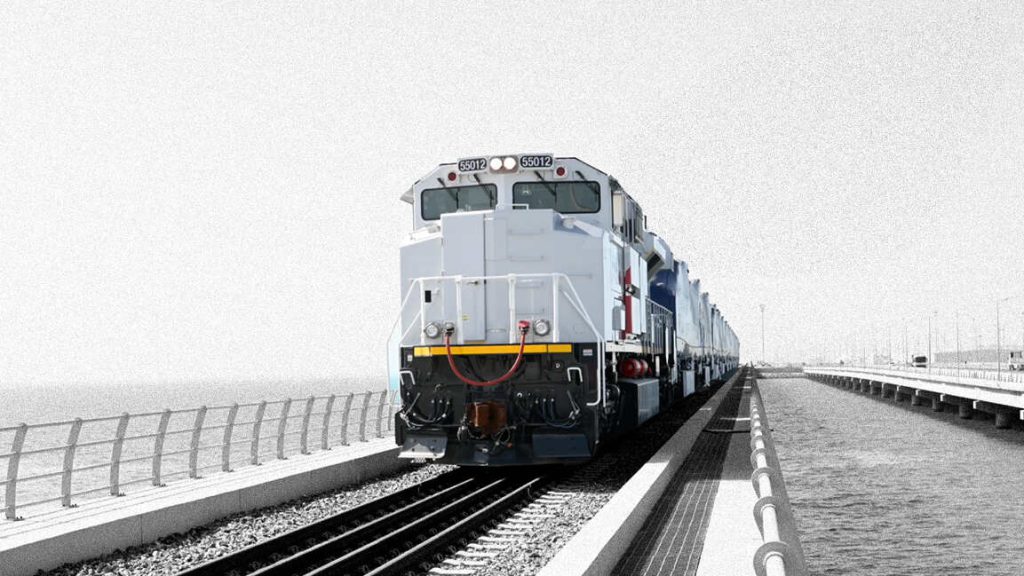
Dubai isn’t just a skyline of architectural wonders—it is a high-octane logistics powerhouse engineered for global trade. At the heart of this success is the Logistics Corridor, a unique integration of Jebel Ali Port (one of the world’s most technologically advanced container terminals) and Al Maktoum International Airport (DWC).
The Multimodal Advantage
What sets Dubai apart is the physical and digital bridge between sea and air. This setup facilitates a seamless “sea-to-air” transition, allowing for multimodal transport that is both fast and cost-effective. In my experience working with global supply chains, I have seen businesses cut transit times by up to 40% simply by utilizing the bonded corridor that allows goods to move from the port to the aircraft in less than four hours without leaving a customs-controlled area.
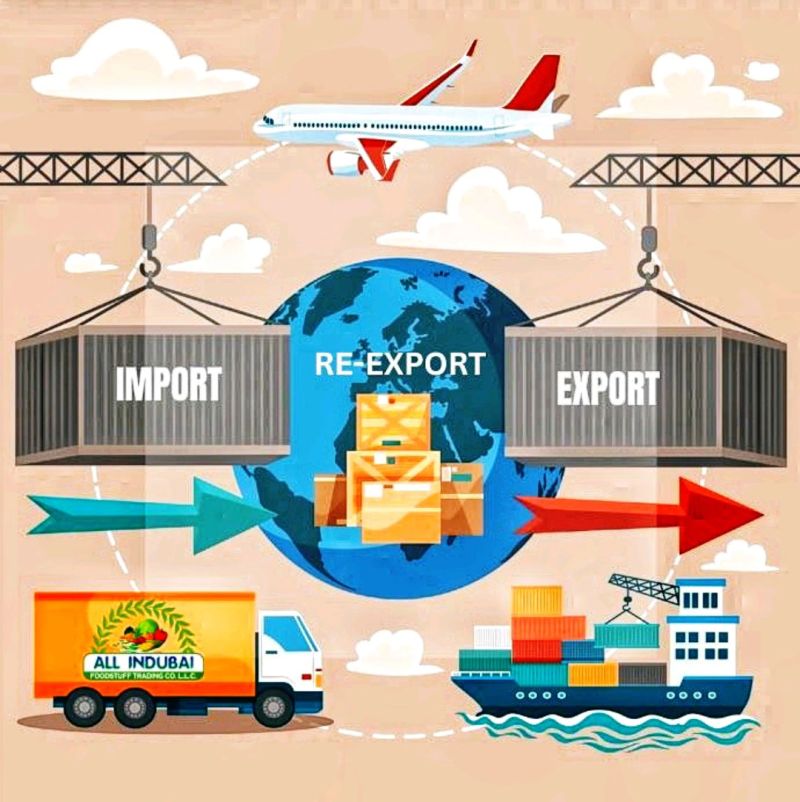
مرکز صادرات مجدد
The Numbers Behind the Success
The scale of this operation is backed by staggering data:
Trade Volume: The UAE’s non-oil foreign trade hit a record AED 3.5 trillion (surpassing earlier 2024 projections), with re-exports acting as the primary engine.
Redistribution Power: Nearly 45% of all imports entering Dubai are re-exported. This transforms the emirate from a final destination into a strategic redistribution center for emerging markets in Africa, Central Asia, and the Indian Subcontinent.
Growth Trajectory: Dubai’s D33 economic agenda aims to double the size of the economy by 2033, with re-export corridors at its core.
Expert Insight: The real “secret sauce” isn’t just the infrastructure; it’s the Free Zone Ecosystem.
Strategic Free Zones: Beyond JAFZA
While Jebel Ali Free Zone (JAFZA) is the crown jewel—offering 0% customs duties, 100% foreign ownership, and zero corporate tax for qualified activities—other hubs like دبی جنوبی و DAFZ (Dubai Airport Freezone) offer specialized niches for high-value re-exports like electronics and pharmaceuticals.
These zones don’t just offer “streamlined procedures”; they provide a Single Window (Dubai Trade) for all documentation, which effectively eliminates the bureaucratic friction found in other global hubs. This operational efficiency is what has driven consistent, double-digit growth in trade volumes year after year.
Trading with ASEAN : Opportunities, Regulations, and Market Entry Strategies
مراحل گام به گام قانونی و گمرکی برای صادرات مجدد از دبی
Re-exporting from Dubai is designed to be frictionless, provided you navigate the digital infrastructure correctly. The backbone of this process is the Dubai Trade Portal, which integrates the Mirsal 2 (and now the upgraded Bayyan) online systems to handle declarations with 99% paperless efficiency.
Here is the operational blueprint for a successful re-export cycle:
1. Business Setup & Customs Coding
Before moving a single pallet, you must establish a legal entity. While you can operate on the Mainland, most re-exporters choose a Free Zone (like JAFZA, DWC, or DAFZA) to simplify the tax ring-fence.
The Trade License: Ensure your license explicitly includes “Import/Export” or “General Trading.”
Customs Client Code: Once licensed, you must register with Dubai Customs to receive your unique Customs Client Code. This code is your “digital passport” for all Mirsal 2 transactions.
2. Import for Re-Export (Duty-Free Entry)
When goods arrive at Jebel Ali Port or DXB/DWC airports, they must be declared under the “Import for Re-Export” regime. This is critical: it allows goods to enter a bonded area or Free Zone without the 5% VAT or customs duties.
Required Documentation:
Commercial Invoice: Must clearly state the value, currency, and Incoterms.
Bill of Lading / Air Waybill: The title document for the cargo.
Detailed Packing List: Specifics on weight, packaging, and HS Codes.
Certificate of Origin: Vital for verifying preferential tariffs and trade agreements.
3. Managing the Customs Deposit (Financial Strategy)
Expert Insight: If you move goods to the سرزمین اصلی for temporary storage before re-exporting, you must provide a financial guarantee (either a bank guarantee or a cash deposit) equivalent to the 5% customs duty. This deposit is only refunded once you provide a valid “Proof of Export”. Tracking these refunds is where many businesses fail—ensure your accounting team monitors “Deposit Claims” monthly.
4. Value-Added Services in Free Zones
While stored in a Free Zone, your goods are “offshore” in the eyes of Customs. You have the flexibility to:
Repackage or relabel for different regional markets.
Assemble or kit products.
Perform quality control inspections. These activities do not trigger duty payments as long as the goods do not enter the UAE domestic market.
5. The Re-Export Declaration & Exit
To ship the goods out, you submit a Re-Export Declaration via Dubai Trade.
Clearance: In 2025/2026, Dubai Customs’ AI-driven risk engine clears standard shipments almost instantly.
The Exit Certificate: Once the goods depart, ensure you obtain the Customs Exit Certificate. This is your legal proof to close the file and reclaim any deposits.
6. Handling Restricted Goods
For specialized cargo like pharmaceuticals, chemicals, or high-end electronics, you will need “E-Permits” from relevant ministries:
Ministry of Health (MOH): For medical supplies.
MOIAT: For industrial and electronic standards. The good news? These are now fully integrated into the Dubai Trade single-window system.
Pro-Tip: The “HS Code” Trap
I cannot overstress this: Always use a reliable clearing agent for your initial shipments. The most common cause of fines or “Customs Holds” is the misclassification of کدهای HS. A professional agent ensures your goods are classified correctly, preventing you from paying unnecessary duties or facing compliance audits.
مزایای مالی و گمرکی صادرات مجدد از دبی در مقایسه با واردات مستقیم
اینجاست که صادرات مجدد میدرخشد. واردات مستقیم به بسیاری از بازارها به معنای پرداخت کامل عوارض از قبل، به علاوه هزینههای لجستیکی بالاتر است. ارسال از طریق دبی قاعده بازی را تغییر میدهد.
Digital Efficiency: Leveraging Bayyan 2.0 for Faster Re-Exports
The UAE has modernized its logistics through the Bayyan 2.0 system. As a tech-driven trader, I’ve found that using digital customs integration reduces clearance time by up to 40%.
- Automated Documentation: Direct linkage between shipping agents and Dubai Customs.
- Real-time Tracking: Monitor your re-export status from the moment it leaves the Jebel Ali port.
- Reduced Manual Errors: The system pre-validates HS Codes, preventing costly delays.
Using Tendify.io tools alongside Bayyan can further optimize your logistics workflow for maximum profitability.
مزایای کلیدی:
- عوارض گمرکی صفر در مناطق آزاد: کالاهایی که برای صادرات مجدد به JAFZA وارد میشوند، هیچ گونه عوارض وارداتی پرداخت نمیکنند. در صورت ورود به سرزمین اصلی امارات متحده عربی، فقط 5% اعمال میشود. این را با واردات مستقیم به آفریقا یا آسیا مقایسه کنید، جایی که عوارض میتواند به 20-50% برسد.
- مالیات بر ارزش افزوده و کارایی مالیاتی: صادرات و صادرات مجدد مشمول مالیات بر ارزش افزوده صفر هستند. در مناطق آزاد، مالیات شرکتی بر سود (در صورت کمتر بودن از آستانه) اعمال نمیشود.
- صرفهجویی در هزینههای لجستیک: مسیرهای کوتاهتر و حمل و نقل فله، بار را ۱۵ تا ۳۰ تن کاهش میدهد. به علاوه، ۱۰۰ تن سود به کشور بازمیگردد.

صادرات مجدد از دبی
در اینجا یک جدول مقایسه سریع آورده شده است:
| جنبه | صادرات مجدد از طریق دبی (منطقه آزاد) | واردات مستقیم به بازار مقصد |
|---|---|---|
| عوارض گمرکی | 0% در مورد واردات/صادرات مجدد | 5-50% بسته به کشور/کالا |
| هزینههای ذخیرهسازی | زمان کم و نامحدود | انبارهای مرتفعتر و با محدودیت زمانی |
| زمان ترانزیت | سریعتر (موقعیت مرکزی) | مسیرهای طولانیتر |
| صرفهجویی کلی در هزینهها | 20-40% معمولی | خط پایه |
| خطر تأخیر/جریمه | حداقل با تنظیمات مناسب | به دلیل مقررات متفاوت، بالاتر است |
مطالعات منابعی مانند بانک جهانی، به لطف این کاراییها، رتبههای برتر دبی در تجارت فرامرزی را برجسته میکند.
The Poland Corridor: A Strategic Guide to Import-Export Opportunities
فرصتهای رونق صادرات مجدد به بازارهای آفریقا، آسیا و کشورهای مستقل مشترکالمنافع
موقعیت مکانی دبی، سه قاره را به هم متصل میکند و آن را برای صادرات مجدد به مناطق با رشد بالا ایدهآل میسازد.
آفریقا: تقاضای فزاینده برای لوازم الکترونیکی، ماشینآلات، وسایل نقلیه و کالاهای مصرفی. بازارهایی مانند نیجریه، کنیا، اتیوپی و غنا واردات زیادی از طریق دبی دارند - قیمتگذاری مقرونبهصرفه و تحویل سریع، این امر را هدایت میکند. در سال 2025، تجارت آفریقا با امارات متحده عربی همچنان رو به افزایش است و صادرات مجدد خودرو و کالاهای مصرفی سریع (FMCG) در صدر قرار دارند.
آسیا: هند، چین و آسیای جنوب شرقی برای کالاهای لوکس، عطر و فناوری به دبی علاقه دارند. تقاضای آسیای جنوبی برای لوازم الکترونیکی و منسوجات، حاشیه سود صادرات مجدد را بالا میبرد.
کشورهای مستقل مشترک المنافع: قزاقستان، ازبکستان و سایر کشورها به دنبال مصالح ساختمانی، تجهیزات پزشکی و کالاهای مصرفی سریع (FMCG) هستند. اقتصادهای نوظهور در اینجا به دلیل زنجیرههای تأمین مستقیم محدود، حاشیه سود بالایی ارائه میدهند.
بخشهای برتر برای سال ۲۰۲۵:
- لوازم الکترونیکی و موبایل
- قطعات خودرو و وسایل نقلیه
- داروسازی و تجهیزات پزشکی
- غذا و نوشیدنی
- مصالح ساختمانی
بازارهای شورای همکاری خلیج فارس هنوز هم تجارت زیادی را در خود جای دادهاند، اما آفریقا، آسیا (غیر از شورای همکاری خلیج فارس) و کشورهای مستقل مشترکالمنافع سریعترین رشد را دارند - که طبق دادههای اخیر به طور قابل توجهی افزایش یافته است.
من شبکههایی ایجاد کردهام که ماشینآلات را به کشورهای مستقل مشترکالمنافع و کالاهای مصرفی را به آفریقا عرضه میکنند و همه آنها را به راحتی از دبی دوباره صادر میکنند. “دلیل” آن ساده است: هزینههای پایینتر حمل و نقل زمینی و عرضه قابل اعتماد، مسیرهای مستقیم را ترجیح میدهند.
راهنمای کامل تسلط بر واردات امارات متحده عربی برای سالهای 2026-2027
چالشهای رایج و چگونگی غلبه بر آنها
چالشها وجود دارند، اما قابل مدیریت هستند:
- خطاهای اسنادی: کدهای HS و مبدا را دوباره بررسی کنید. در ابتدا از عوامل استفاده کنید.
- کالاهای محدود شده: مجوزهای از پیش تعیینشده را بررسی کنید—از قبل برنامهریزی کنید.
- نوسانات بازار: مقاصد را متنوع کنید.
نتیجه نهایی؟ رشد مداوم در یک قطب پایدار.
برای بررسیهای عمیقتر، منابع مرتبط با لجستیک تجارت جهانی یا استراتژیهای منبعیابی B2B را بررسی کنید.
سوالات متداول (FAQ)
How long can goods stay in Dubai before re-exporting?
In Free Zones like JAFZA, you can store goods indefinitely without paying customs duty, provided they are kept in a bonded warehouse and eventually re-exported.
Is the 5% VAT applicable to re-exported goods?
No. Re-exported goods are usually zero-rated or exempt from VAT, provided you follow the “Direct Export” یا “Indirect Export” documentation rules strictly.
What is the most common reason for tax refund rejection?
The lack of a valid Proof of Exit. Always ensure your freight forwarder provides the stamped Exit Certificate from the port of departure.
اقدام کنید: سفر صادرات مجدد خود را امروز آغاز کنید
صادرات مجدد از دبی یک راه میانبر نیست - این یک مزیت استراتژیک است که بزرگترین موفقیتهای من را رقم زده است. با سادهسازی فرآیندها، روشن شدن مزایا و انفجار بازارها، زمان بهتری وجود ندارد.
آمادهاید تا با تأمینکنندگان تأییدشده ارتباط برقرار کنید، درخواستهای استعلام قیمت (RFQ) ارسال کنید یا محصولات خود را در یک پلتفرم B2B معتبر فهرست کنید؟ همین امروز بهصورت رایگان در Tendify.net ثبتنام کنید و فرصتهای تجارت جهانی امن و مستقیم را در دسترس قرار دهید. محموله بزرگ بعدی شما از اینجا آغاز میشود—همین حالا ثبت نام کنید و بیایید با هم چیزی سودآور بسازیم.